
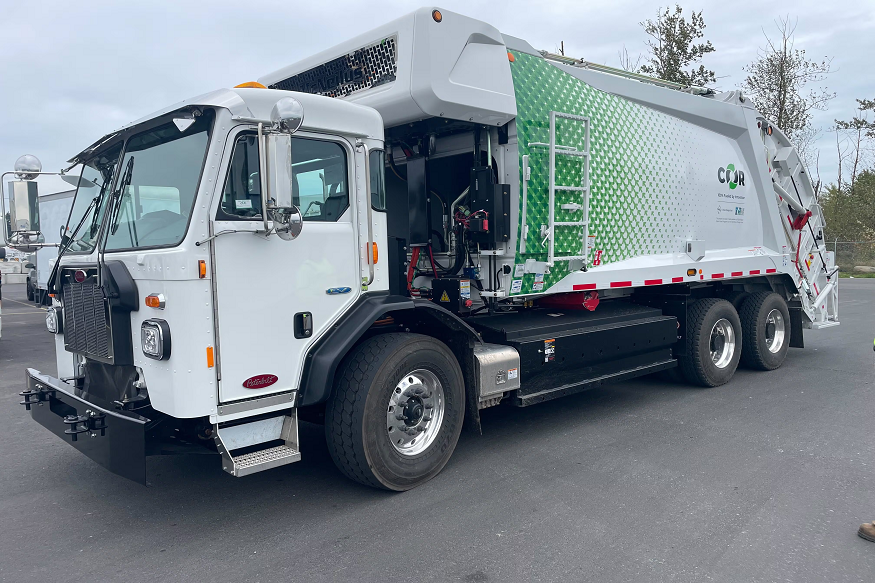
Rear loader garbage trucks are essential for municipal, commercial, and industrial waste collection. However, their operation involves heavy machinery, moving parts, and frequent stops, making safety a top priority. Modern rear loader trucks are equipped with a range of safety features to protect operators, crews, and the public while ensuring efficient waste collection.
Rear-View Cameras
One of the most important safety features on a rear loader truck is the rear-view camera system. These cameras provide the driver with a clear view of the rear loading area, helping prevent accidents when reversing or maneuvering in tight spaces. In busy urban areas, rear-view cameras are essential for avoiding collisions with pedestrians, vehicles, or obstacles.
Audible Alarms and Warning Systems
Rear loader trucks often operate in residential or commercial areas with foot traffic and vehicles nearby. Audible alarms and warning systems alert pedestrians and workers whenever the truck is reversing or performing hydraulic operations. These alerts reduce the risk of accidents during daily collection routes and improve overall operational safety.
Emergency Stop Controls
Emergency stop buttons or levers are strategically placed on modern rear loader trucks. These controls allow operators or workers to immediately halt the hydraulic system or truck movement in case of an unexpected hazard. Quick access to emergency stops is crucial for preventing injuries and protecting crew members.
Interlock Safety Systems
Many trucks feature interlock systems that prevent the hydraulic compaction mechanism from operating when unsafe conditions exist. For example, the compactor will not run if the tailgate is open or if a crew member is detected in a dangerous area. Interlock systems help ensure that the truck cannot accidentally injure workers during loading or unloading.
High-Visibility Lighting
Rear loader trucks are equipped with high-visibility lighting, including brake lights, turn indicators, and warning strobes. These lights make the truck more visible during early morning or late-night collection routes, reducing the risk of collisions with other vehicles or pedestrians. Enhanced lighting also improves safety for crew members working around the truck.
Anti-Slip Surfaces and Handrails
Operators and crew members often walk on or around the truck during waste collection. Rear loader trucks include anti-slip surfaces on steps and platforms to prevent falls. Handrails and secure grip points further reduce the risk of slipping or losing balance while loading or performing maintenance.
Load Distribution and Stability Features
Modern rear loader trucks are designed to maintain proper load distribution even when fully loaded. Reinforced chassis, robust suspension systems, and carefully positioned storage bodies ensure vehicle stability during operation. This reduces the risk of rollovers or accidents, especially on uneven urban streets or during sharp turns.
Operator Training and Controls
While safety features are built into the truck, proper operator training is essential. Modern rear loaders come with ergonomic control panels and clear indicators for hydraulic functions, compaction cycles, and alerts. Trained operators can respond quickly to potential hazards and make full use of safety systems to protect themselves and the public.
Maintenance and Inspection Alerts
Some rear loader trucks are equipped with onboard diagnostics that alert operators to maintenance needs or potential system faults. Timely maintenance reduces the risk of hydraulic failures, brake malfunctions, or other mechanical issues that could compromise safety during collection operations.
Conclusion
Rear loader trucks incorporate a wide range of safety features, from rear-view cameras and alarms to interlocks, emergency stops, and anti-slip surfaces. These systems protect operators, crews, and the public while enabling efficient waste collection. Understanding and properly utilizing these safety features is essential for municipalities, contractors, and fleet managers seeking to maintain safe and reliable waste management operations.