
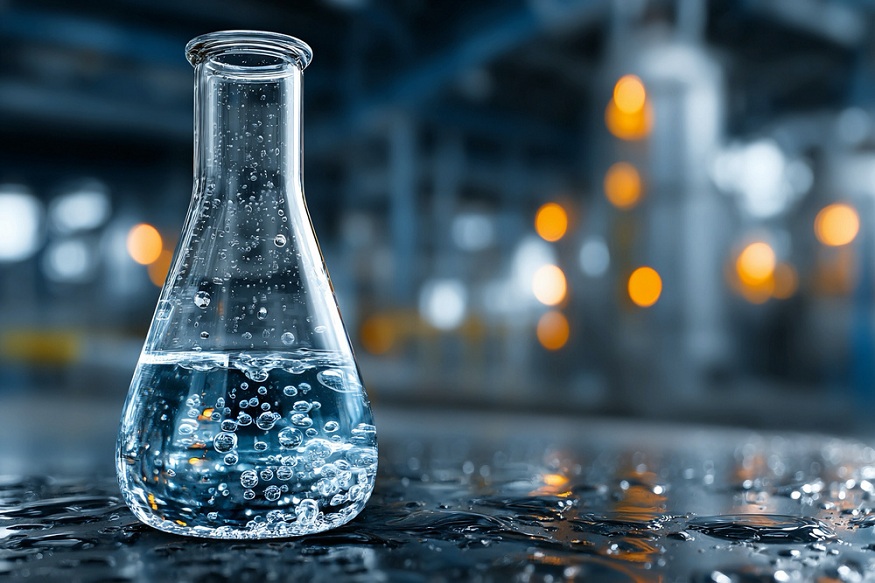
The specialty chemical sector has undergone substantial changes over the past decade. Plants utilizing 1950s technology have been updated with sensors and algorithms. Manufacturers became more innovative due to declining profit margins. Environmental fines pushed change, too. Customers got pickier. They desire perfection and affordability. They want immediate delivery. Savvy businesses didn’t merely adjust. They fundamentally transformed their strategies. Fresh thinking about old problems unlocked possibilities nobody expected. Contemporary chemical facilities now achieve greater output with reduced waste generation and lower energy consumption. There are fewer unforeseen issues than ever before.
Digital Transformation on the Factory Floor
Computers took over chemical plants while nobody was watching. Operators used to adjust valves by hand. Now sensors feed data to control systems that react in microseconds. Temperature drifts? Corrected before it matters. Pressure spike coming? Already handled. But here’s where it gets wild. Machine learning digs through mountains of production data finding patterns. Tuesday’s humidity ruins Friday’s yield: who knew? That one supplier’s material works better two degrees cooler. Tiny discoveries add up. Efficiency jumps 15% without buying new equipment.
Digital twins let engineers go crazy without consequences. Build a virtual reactor. Push it until it explodes. Try stupid ideas. Most fail, but some work brilliantly. Test everything in silicon before touching steel. Real-world implementation becomes boring because you already know what happens. Equipment breaks when you need it most. Unless you see it coming. Vibration sensors catch bearing problems weeks early. Temperature trends reveal failing seals. Strange noises trigger maintenance before catastrophic failure. Downtime shifts from emergency scrambles to planned events. Production keeps flowing. Managers sleep better.
Green Chemistry and Sustainability
Waste became expensive. Disposal costs rose. Regulations multiplied. Public relations nightmares lurked everywhere. So manufacturers stopped making waste. Sounds impossible? New chemistry makes it routine. Catalysts changed everything. Old reactions needed blazing heat and toxic solvents. New catalysts work at room temperature in water. Reactions that took six steps now take one. Byproducts disappeared. Energy bills crashed. Environmental reports turned from damage control documents into marketing tools.
Read More: The Future of Business: Why Revops Agencies Matter
Plants eat different feedstocks now. Corn stalks become chemical precursors. Algae produce specialty compounds. Wood waste transforms into high-value products. Petroleum stays in the ground while farms supply factories. Nobody predicted this shift happening so fast.
Advanced Separation Technologies
Boiling stuff to separate it wastes massive energy. Distillation towers gulp fuel like hungry monsters. But physics offered alternatives that finally work at industrial scale. Membranes became tough enough to handle nasty chemicals. They sort molecules like coins through a sorter: right size passes through, wrong size bounces back. Room temperature. No steam needed. Energy costs nosedive while product purity climbs.
Trecora is a prime example of this progress. It utilizes innovative separation techniques to refine hydrocarbons more efficiently than its competitors. They get the most out of each molecule, using less energy. They also produce less waste.
Read More:Hermetic Feedthroughs for Cryogenic Applications
Continuous flow replaced batch processing in unexpected places. Rivers of chemicals flow through compact reactors. No more filling giant tanks, waiting, emptying, cleaning, repeating. Product streams out constantly. Quality never varies. Equipment shrinks. Buildings that housed batch reactors now hold three continuous systems producing five times more.
Conclusion
Innovation hits specialty chemical manufacturing from every angle simultaneously. Digital controls prevent problems before they start. Green chemistry eliminates waste at the source. Energy-efficient separations slash operating costs. Companies embracing these changes pull ahead fast. Laggards watch their margins evaporate. The gap widens daily. Five years from now, today’s cutting-edge plants will seem ordinary. But manufacturers waiting for perfect timing will find themselves hopelessly behind. The revolution isn’t coming. It’s here, reshaping everything about how specialty chemicals get made.