
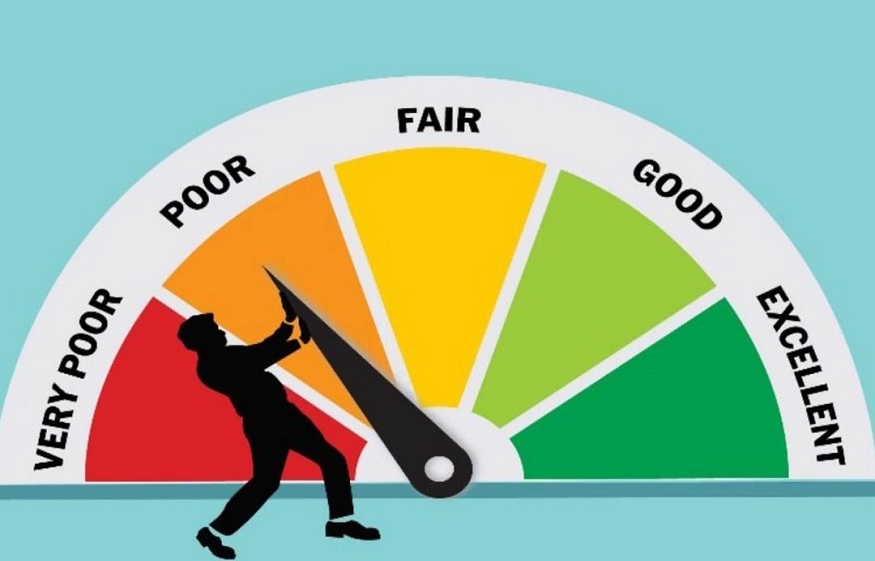
Most people know that paying bills on time helps their credit. However, many do not realize that the specific type of money they borrow also plays a significant role in their financial reputation. Your credit profile is more than just a single number. It is a reflection of how you handle different financial responsibilities over time.
Lenders look at your history to see if you can manage various types of debt. Whether you are taking out a mortgage or using a credit card, each action leaves a footprint. Understanding these nuances helps you build a stronger financial future and ensures you are ready when you need a major loan.
Managing a diverse portfolio of debt is often seen as a sign of financial maturity. If you only have one type of credit, lenders might find it hard to judge your overall reliability. By learning how different loans interact with your profile, you can take better control of your economic health.
The Fundamentals of Credit Mix
One of the most misunderstood parts of a credit profile is the credit mix. This term refers to the different types of accounts you hold. Generally, credit is divided into two main categories: secured and unsecured. A healthy balance between these two can actually improve your CIBIL score over time.
Secured loans are backed by an asset, such as a house or a car. Because the lender has collateral, these are often seen as less risky. Unsecured loans, like personal loans or credit cards, do not have any collateral. Managing both types successfully shows that you are capable of handling different levels of risk and repayment structures.
Read More: How Opening a Demat Account Can Help You Tap into Upcoming IPO Opportunities
While you should never take out a loan just to improve your mix, it is helpful to know that a variety of accounts is beneficial. If you only have credit cards, adding a structured installment loan might give your profile a boost. Conversely, if you only have a home loan, a credit card used responsibly can demonstrate your ability to manage revolving debt.
Secured Loans and Long-Term Stability
Secured loans are often the bedrock of a strong financial profile. These include home loans and auto loans. Because these loans usually involve large sums of money and long repayment periods, they carry a lot of weight. When you consistently make payments on a home loan, it signals to the world that you are a stable and reliable borrower.
These loans are considered “good debt” by many experts. They are usually taken to build assets or provide essential transportation. Since the repayment terms often span several years, they provide a long history of positive payment behavior. This longevity is a key factor in how your CIBIL score is determined.
However, the impact of a secured loan is not just about the asset. It is about the discipline required to maintain the schedule. If you default on a secured loan, the negative impact is severe. Not only do you lose the asset, but your credit profile takes a massive hit that can take years to repair.
Unsecured Loans and the Perception of Risk
Unsecured loans include personal loans, student loans, and small consumer durable loans. Since there is no collateral involved, lenders view these as higher risk. Consequently, the way these loans affect your CIBIL score is slightly more sensitive. If you have too many unsecured loans in a short period, it might look like you are struggling financially.
Lenders often look at the ratio of secured to unsecured debt. If your profile is heavily tilted toward personal loans, it may suggest that you are living beyond your means. This does not mean you should avoid personal loans entirely. They are excellent for emergencies or consolidating high-interest debt. The key is to use them sparingly and ensure they are paid off promptly.
Read More: Lifetime Free Credit Cards: Meaning, Features, and How to Get One
When you apply for an unsecured loan, the lender will perform a hard inquiry. Too many inquiries in a short window can cause a temporary dip in your rating. It is always wise to space out your applications to avoid looking desperate for credit.
The Role of Credit Cards in Your Financial Profile
Credit cards are a unique type of unsecured, revolving credit. Unlike a loan with a fixed end date, a credit card allows you to borrow and repay repeatedly. This makes them a powerful tool for building credit, but they are also a double-edged sword. Your credit utilization ratio, which is the amount of credit you use compared to your limit, is a major factor in your CIBIL score.
If you have a high limit but keep your spending low, it shows great financial restraint. On the other hand, maxing out your cards every month suggests financial stress, even if you pay the full balance on time. Ideally, you should keep your utilization below thirty percent of your total available limit.
Credit cards also help by increasing the average age of your accounts. Keeping an old card active, even if you do not use it often, helps maintain a long credit history. This longevity is highly valued because it provides a larger data set for lenders to analyze.
Planning Ahead with a CIBIL Score Calculator
Before you decide to take on a new debt, it is helpful to understand how it might change your standing. Many people use a CIBIL score calculator to estimate their current position and see how new variables might affect them. These tools are excellent for “what-if” scenarios, such as seeing the impact of a new car loan or a higher credit card limit.
Using a CIBIL score calculator allows you to be proactive rather than reactive. For example, if you are planning to apply for a mortgage in six months, you can use a calculator to see if paying off a small personal loan now would help your chances. It gives you a roadmap for your financial decisions.
Remember that these calculators provide estimates based on the data you input. While they are very accurate, the final word always comes from the official credit report. Using these tools regularly ensures there are no surprises when you finally sit down with a loan officer.
Strategies to Improve Your CIBIL Score Over Time
Improving your credit is a marathon, not a sprint. The most important factor is always your payment history. No matter what type of loan you have, missing a payment is the fastest way to damage your reputation. Setting up automated payments or reminders can help you stay on track.
Another strategy is to monitor your credit report for errors. Sometimes, a loan you have already closed might still show as active, or a payment you made on time might be marked as late. Correcting these mistakes can lead to a quick improvement in your CIBIL score without you having to change your spending habits.
Finally, be mindful of how often you close old accounts. While it might feel good to close a credit card you no longer use, doing so can shorten your credit history and increase your utilization ratio. Unless the card has a high annual fee, it is often better to keep it open and use it occasionally for small purchases. By balancing different loan types and staying disciplined, you can maintain a profile that opens doors to better financial opportunities.